
Your first whole home remodeling can honestly feel paralyzing. You’re staring at cabinets, thinking about budgets, wondering if you need permits. This guide walks you through it kitchen updates, bathroom upgrades, costs, the whole process. You’ll see what other first timers miss and how to avoid their mistakes.
The truth? Most homeowners who rush end up stressed. But when you plan right, you save money and skip the frustration. We’ll cover how flooring or paint actually moves the needle on value, plus why some projects matter more than others.
What is Home Remodeling and why does it matter?
Home remodeling means improving your space to work better for you. That could be swapping out cabinets or reconfiguring an entire floor plan. Most people start with the kitchen or bathroom because those rooms hit you every single day.
Here’s why it matters: A solid remodel doesn’t just make your home feel better. It lifts property value, fixes layouts that never worked, and honestly just makes living easier. For first timers, understanding what you’re actually doing before you start is half the battle.
How is this different from just fixing things?
There’s a big difference, and it changes how you budget.
A repair fixes damage. You’ve got a leaking pipe? That’s a repair. You’re ripping out the bathroom to redesign it? That’s remodeling. One’s about fixing problems. The other’s about transforming space.
This matters because remodels take longer, cost more, and sometimes need permits. Repairs are usually quick and straightforward.
Which projects actually move the needle?
Not all remodeling projects are created equal. Some give you way more bang for the buck.
These tend to deliver:
- Kitchen overhauls – You use it constantly. It shows when selling.
- Bathroom updates – Better fixtures, ventilation, storage. People notice.
- Fresh paint throughout – Sounds simple. Changes everything.
- New flooring – Old floors age a home faster than anything else.
- Exterior work – First impression stuff. Curb appeal is real.
Start here if you’re not sure where to begin.
How should you plan this as a first timer?
Planning isn’t sexy, but it’s the difference between a smooth project and a nightmare.
Without it, costs spiral. Contractors get confused. You end up making decisions on the fly when your walls are open. So take a breath and actually think this through.
What do you need to decide upfront?
Before calling anyone, get honest about what’s driving this.
Think about:
- What actually bothers you about the space right now?
- Which rooms get used the most?
- Are you staying here long term, or is this for resale?
- Do you want comfort or money back on your investment?
Your answers change everything. They guide what materials you pick, which contractors you hire, how much you actually need to spend.
How much should you really budget?
People always and I mean always underestimate costs.
Your budget should cover:
- The actual materials and finishes
- Labor (and it’s more expensive than you think)
- Design help or consulting
- Permits and inspections
- Contingency money for surprises
That last part? Essential. Maybe budget an extra 15-20% just for “stuff we didn’t see coming.” Because there will be stuff.
Do you actually need construction permits?
Yes. Probably. And skipping them causes real problems.
Permits aren’t bureaucratic nonsense. They’re safety checks. They make sure electrical work doesn’t burn your house down and plumbing doesn’t contaminate your water. When you sell? Inspectors look for that permit paperwork.
Most cities require them for anything structural, electrical, or plumbing related. Small cosmetic stuff like painting? Usually fine without one.
When exactly do you need them?
This depends on your local codes, but generally:
- Room additions – Definitely
- Electrical rewiring or new circuits – Yes
- Plumbing changes – Yes
- Walls coming down – 100% yes
- Moving windows or doors – Yes
- New roof or siding – Usually
Interior painting or cabinet swaps? Probably not. But check with your local building department. Seriously. Just call them.
What happens if you skip it?
You’re gambling. And it’s a bad bet.
No permit means failed inspections when you sell. Buyers’ inspectors see unpermitted work and either walk away or demand price cuts. You could face fines from the city too. And honestly, if something goes wrong—like an electrical fire insurance might not cover it.
It’s not worth the risk to save a few hundred dollars on a permit.
Common mistakes first timers actually make
You’re about to spend real money. Here’s what usually goes wrong.
The budget problem
People see a kitchen cabinet package for $3,000 and think that’s the whole budget. Nope.
You’re forgetting:
- Labor to install those cabinets
- The countertops you haven’t picked yet
- Backsplash tile
- Permits
- That pipe that’s corroded and needs replacing (which your contractor finds once walls are open)
- New hardware
- Potential electrical upgrades
A $3,000 cabinet kitchen often becomes $12,000+ real fast. Pad your budget. Seriously.
Planning falls apart mid project
Lots of homeowners show up with vague ideas. “Make it look modern.” “I’ll know it when I see it.”
Then your contractor starts, and you make decisions under pressure with walls torn open. Those decisions cost time and money. Your vision shifts. Timelines slip.
A clear plan from day one prevents this. Even sketches help.
Kitchen remodeling: Why it matters so much
This is usually where people start. And for good reason.
You’re in your kitchen constantly. Making coffee, cooking dinner, grabbing snacks. A bad kitchen layout frustrates you multiple times daily. A good one makes life smoother.
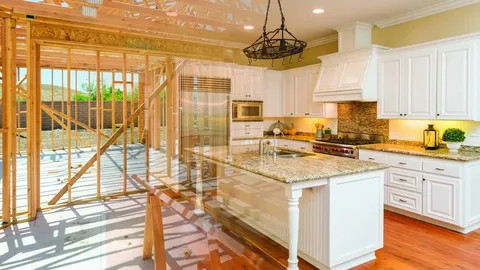
Plus, kitchens improve resale value more than almost anything else. People notice upgraded kitchens.
What makes a kitchen actually work?
Forget style for a second. Does it function?
A good kitchen lets you:
- Move between sink, stove, and fridge easily (the “kitchen triangle”)
- Store stuff where you use it
- See what you’re doing (lighting matters)
- Prep food without cramped space
Style comes after these are handled. A beautiful kitchen that’s awkward to use is actually worse than an average one that flows well.
How to keep kitchen costs reasonable
Kitchen remodels eat budgets. Here’s how to slow that down.
Try:
- Keeping the same layout (moving plumbing is expensive)
- Picking solid mid range finishes instead of top tier everything
- Reusing cabinets if they’re structurally sound and just refinishing
- Being realistic about what appliances you actually need
Small decisions stack up. Each one either saves or costs you money.
Bathroom remodeling: Quick wins for new owners
Bathrooms feel like smaller projects than kitchens. They can be. But they can also spiral just like anything else.
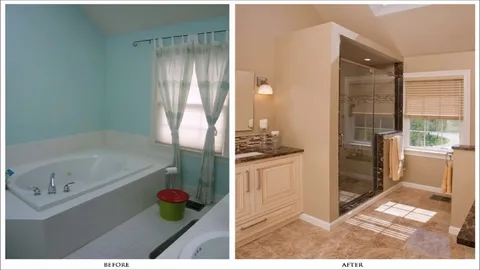
The good news? Bathroom updates show results fast and they improve daily life immediately. Upgrading fixtures, ventilation, and lighting makes a real difference.
What upgrades actually matter in bathrooms?
Function first. Style second. Always.
Focus on:
- Ventilation – Old bathrooms get moldy. Proper ventilation prevents that.
- Plumbing fixtures – New faucets, showerheads, valves. They work better and last longer.
- Lighting – Most bathrooms are poorly lit. Fix that.
- Storage – People need places to put stuff. Add shelves or vanity space.
Tile and paint are nice, but they don’t improve how the room actually works.
Keeping bathroom projects affordable
Unlike kitchens, you can do a solid bathroom update without spending crazy money.
Save by:
- Keeping the toilet and tub where they are (moving plumbing is the expensive part)
- Updating tile only in high traffic areas
- Choosing good quality but basic fixtures
- Doing cosmetic updates like paint and hardware yourself if you’re handy
You don’t need luxury to get results.
Interior painting and flooring: The quick visual reset
Sometimes you don’t need to rip things apart. Paint and new floors change how a home feels without major construction.
These are the projects first timers can actually pull off without losing their minds. They’re fast. They’re visible. And they cost way less than structural work.
Why paint actually changes everything
Paint might sound obvious, but people underestimate it. A fresh coat of the right color makes a space feel bigger, cleaner, newer. Dark walls shrink rooms. Light walls open them up.
Old walls hide a lot of wear and age. New paint over them? The whole room looks refreshed.
What flooring does for a home
Floors are huge. Old, worn flooring makes everything look tired. New flooring updates the space instantly.
Your options:
- Hardwood – Classic, durable, warm
- Vinyl – Low maintenance, water resistant, affordable
- Tile – Perfect for bathrooms and kitchens
- Laminate – Budget friendly, decent durability
Good flooring improves comfort and resale appeal in ways that are hard to quantify but immediately obvious.
Room additions: When you need more space
Sometimes painting and updating isn’t enough. You need actual new space.
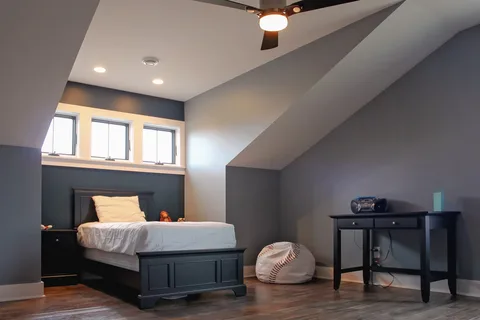
Additions make sense if your family’s growing or you’re staying long term. They’re bigger projects, take longer, and need serious planning. But they add real value when done right.
Common addition types
People add different things based on their lives:
- Extra bedrooms – Growing families need this.
- Home office – More people want this now.
- Extended living room – Sometimes you just need bigger gathering space.
- Guest suite – If you have visitors, this is nice to have.
Each one solves a specific problem. Pick what you actually need, not what you think sounds good.
How additions affect property value
Done well, they increase value substantially. You’re adding square footage, which matters.
But poor design wastes space. An awkwardly added bedroom that doesn’t flow with the rest of the house doesn’t help much. So plan the layout carefully.
Exterior remodeling: Curb appeal and protection
Don’t ignore the outside of your home. It’s the first thing people see, and it protects everything inside.
Exterior work improves both looks and functionality. It also weathers better, protecting your investment from rain, wind, and sun damage.
What exterior upgrades actually matter
Focus on things that both protect and look good:
- New siding or paint – Protects against weather and looks fresh
- Roof work – Prevents leaks and improves the whole appearance
- Window replacement – Better insulation, cleaner look
- New entry door – First impression and security
These improve curb appeal and function at the same time.
How exterior work protects your home
This is the boring but important part. New exterior materials resist weather damage better. Better insulation keeps your home comfortable and lowers energy bills. Quality siding and roofing prevent costly water damage inside.
It’s an investment that literally protects everything else you’ve invested in.
Put it all together
Home remodeling gets less scary when you stop trying to do everything at once.
Start with what bothers you most. Make a plan. Get it permitted. Pick good contractors. Accept that unexpected stuff will happen and budget for it. Then do the work.
Kitchen and bathroom updates give the biggest early wins. Paint and flooring give quick visual changes. Permits and planning keep you out of trouble.
You’ve got this. Just don’t rush.
FAQs
How much should first time homeowners actually budget?
There’s no magic number, but plan for more than you think. A kitchen remodel could be $10,000 to $50,000+ depending on scope. Bathrooms, $5,000 to $25,000. Paint and flooring, much less. Always add 15-20% cushion for surprises that contractors find mid project.
Do all remodeling projects need permits?
No, not all of them. Cosmetic stuff like painting or swapping fixtures is usually fine. But anything involving structure, electrical, plumbing, or walls coming down needs permits. Honestly, when in doubt, call your local building department and ask. Takes five minutes.
What should first timers tackle first in remodeling?
Kitchen or bathroom usually make sense. They improve daily life and add value when selling. If budget’s tight, start with paint and flooring quick wins that refresh the space. Save structural additions for later once you’ve got one remodel under your belt.
How long does a remodeling project actually take?
Depends entirely on scope. Painting a room? Days. New flooring in a few rooms? A week or two. Full kitchen remodel? Months. Room addition? Several months. Factor in potential delays from weather, contractor schedules, or surprises found during construction.
What mistakes show up over and over?
Underestimating costs. Skipping permits (big mistake). Poor planning that leads to mid project decisions. Not padding the budget. Picking materials without thinking about durability. Rushing the process instead of doing it right. Avoid these and you’re already ahead of most people.
Is exterior remodeling worth it?
Yes. It protects your home and improves curb appeal, which matters when selling. But don’t neglect the inside for the outside. Balance both. A beautiful exterior with a falling apart interior is a wasted investment.